 Image 1 of 5
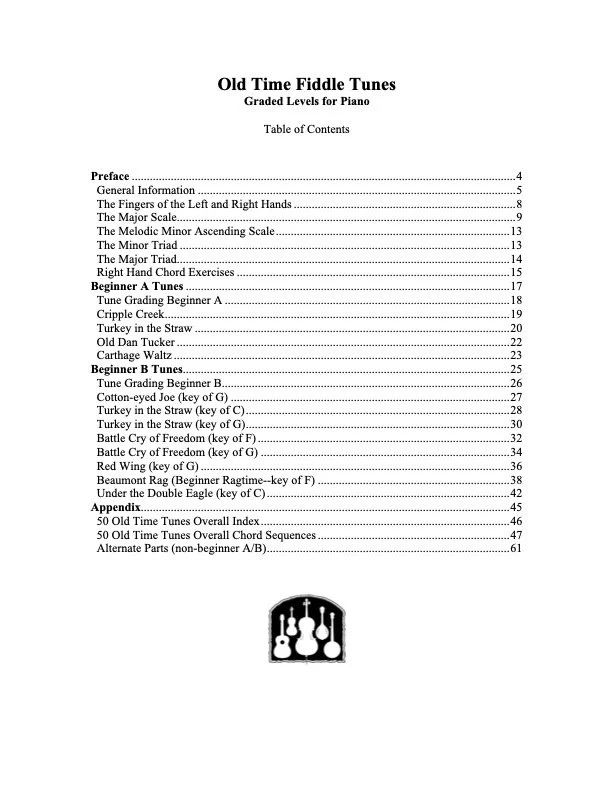 Image 2 of 5
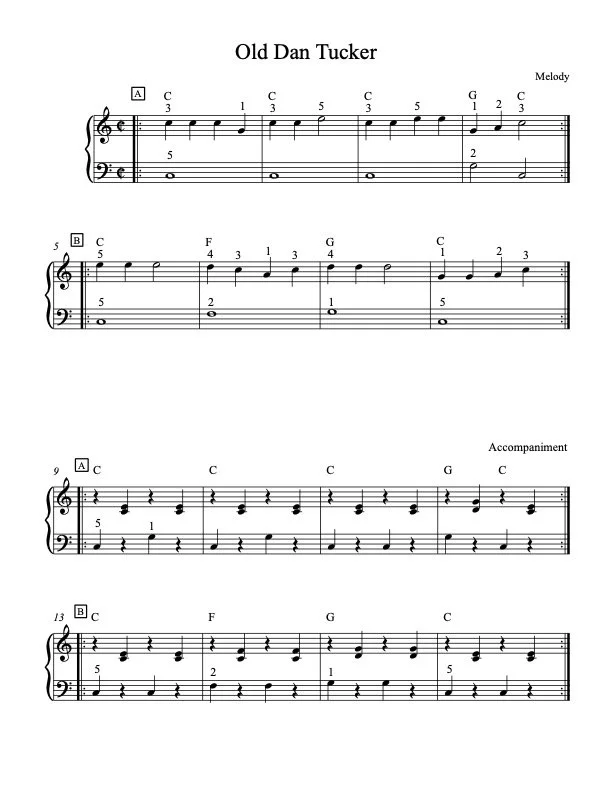 Image 3 of 5
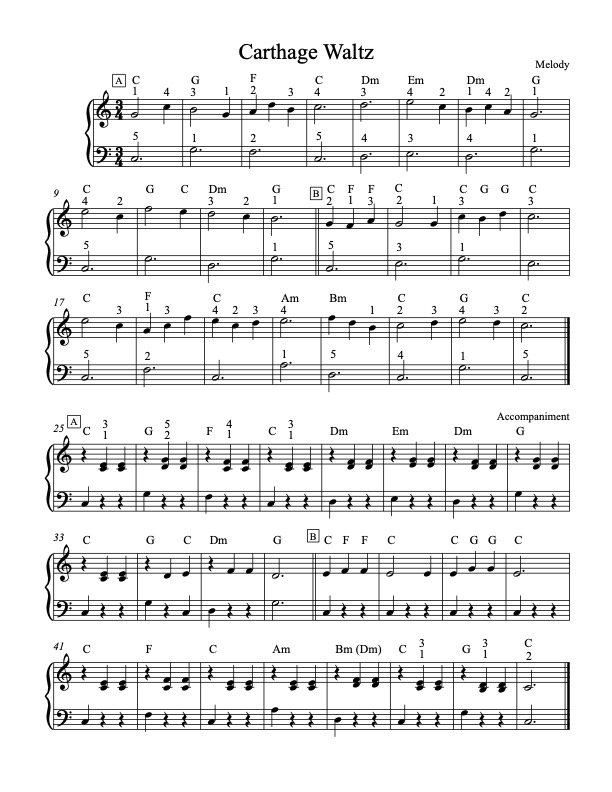 Image 4 of 5
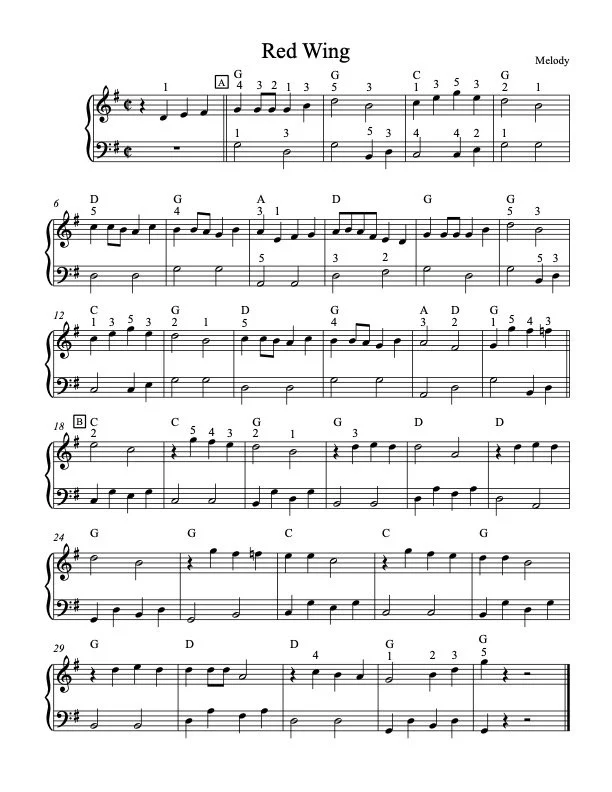 Image 5 of 5
Old Time Fiddle Tunes for Piano
Old Time Fiddle Tunes for Piano is a graded-level book. There are 2 grade levels: Level A, and Level B. The tunes in Level A are very simple to learn and to play. Level B is still a beginner level, but contains a slight amount of added difficulty such as playing 2 notes at a time in the right hand when play melody parts. Level A accompaniment provides accompaniment chords of no more than 2 notes at a time in the right hand. Level B accompaniment adds a third note to the right hand. That third note completes the triad chord used in the right hand parts. Also, Level B melodies increase in notes played per tune. This means that more 8th notes will appear, more 2-note intervals will appear, and longer pieces will also appear.
Old Time Fiddle Tunes for Piano contains a preface section which presents basic music theory such as: the numbering of the fingers on each hand (for piano); major scales; minors scales; chord triad theory; and a right hand exercise to get started with 2-note and 3-note chords. The appendix contains alternate versions of some of the tunes (both melodies and accompaniment). Scroll down to access audio files.
For information on this book’s relationship with the 50 tunes book series published by Mel Bay Publications, scroll to the bottom of this page.
Audio (click on audio links below to listen to the piano parts found in this book)
Click each file below to download the audio for each tune.
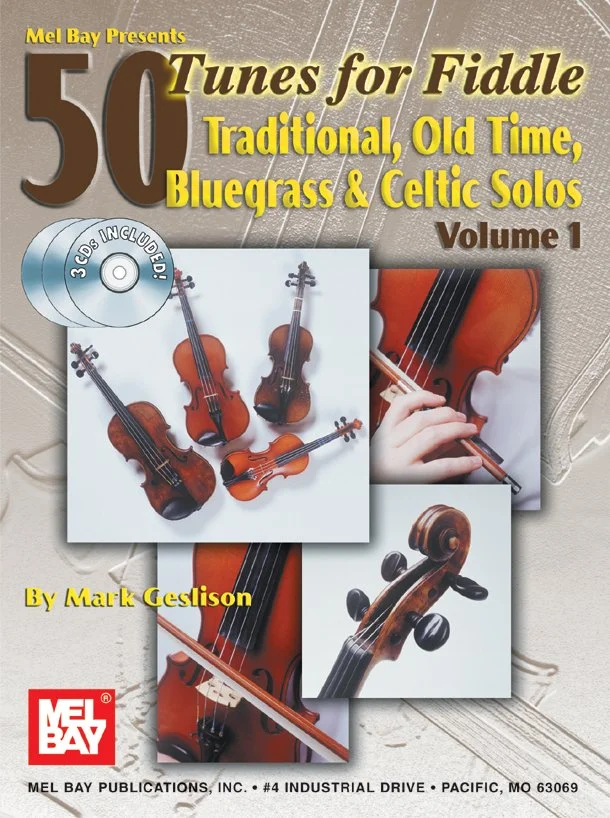
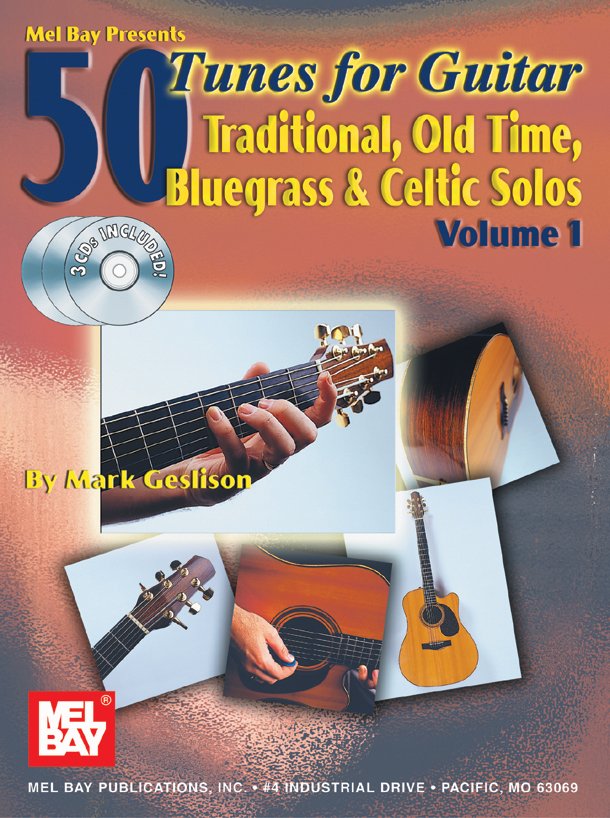
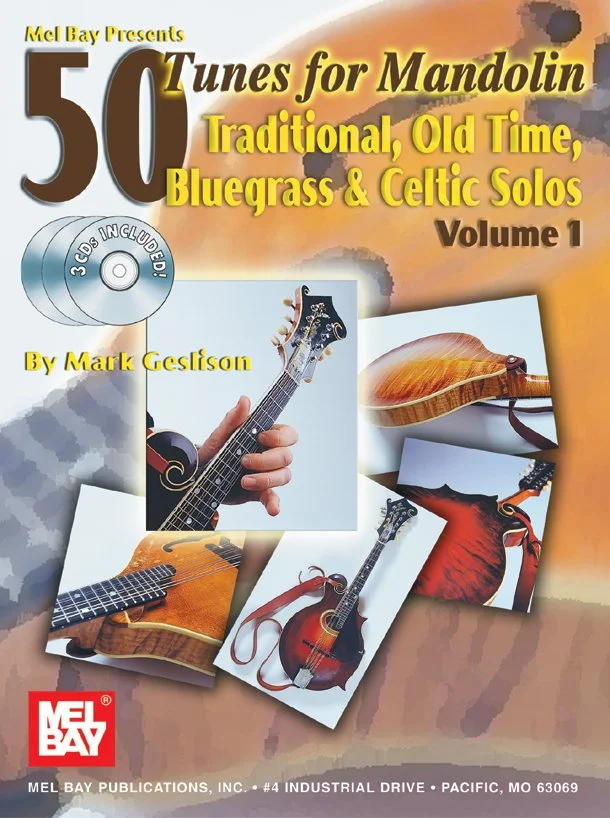
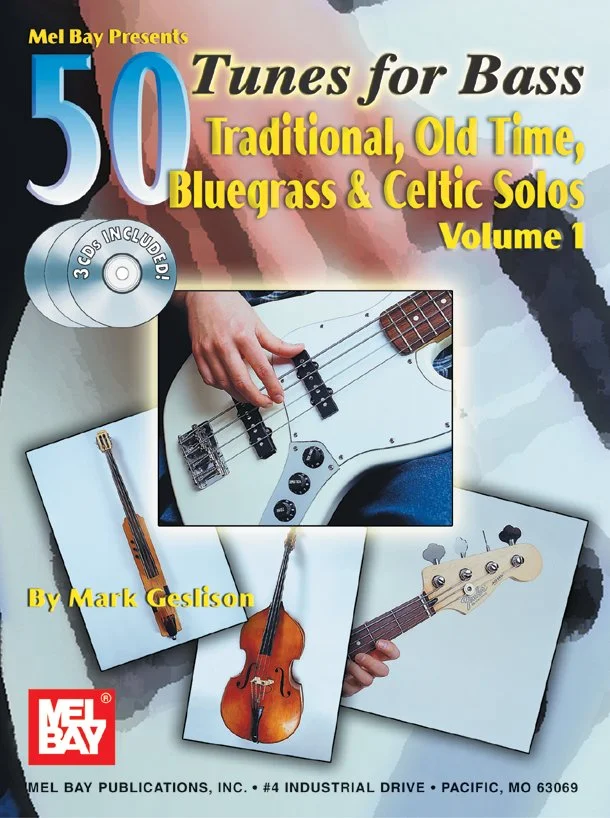
Old-time Fiddle Tunes for Piano was originally created to introduce the 50 Tunes for Fiddle (Mel Bay Publications) content to beginner and intermediate piano players. Old-time Fiddle Tunes for Piano started with approximately one quarter of the 50 tunes. However, that project was halted, but this book remained. It works well as a stand-alone beginner piano book, but it can still be used in conjunction with the 50 Tunes books if you wish to go that route. The tunes in the 50 Tunes for Fiddle book presents fiddle tunes with chords as well. As a piano player, you can play the fiddle melodies in 50 Tunes for Fiddle on your right hand while playing the chords on the left hand. Old-time Fiddle Tunes for Piano also shows chords above the music staff. The left hand often plays a simple note to represent each chord. Other times the left hand plays 2 notes at a time, or an entire “boom-chuck” rhythm based on the notes of the given chord for every measure. Images of the 50 Tunes book covers are shown below.