 Image 1 of 9
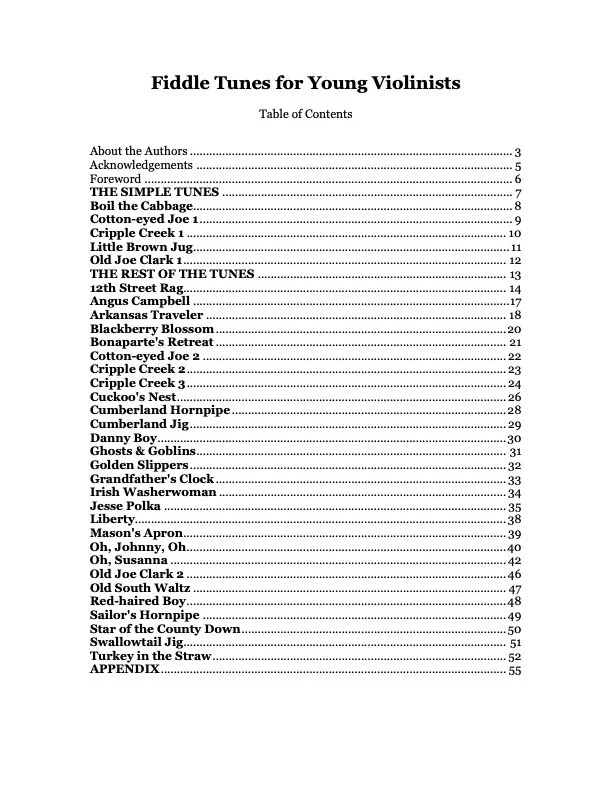 Image 2 of 9
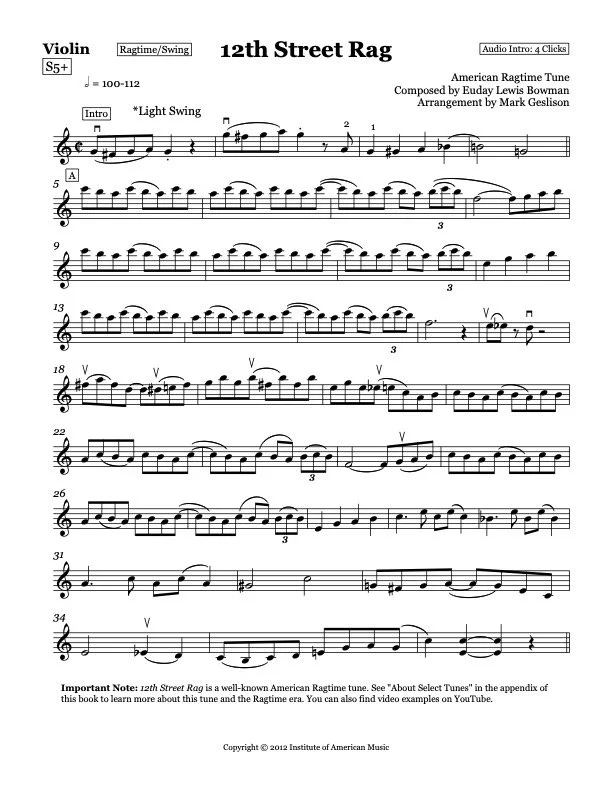 Image 3 of 9
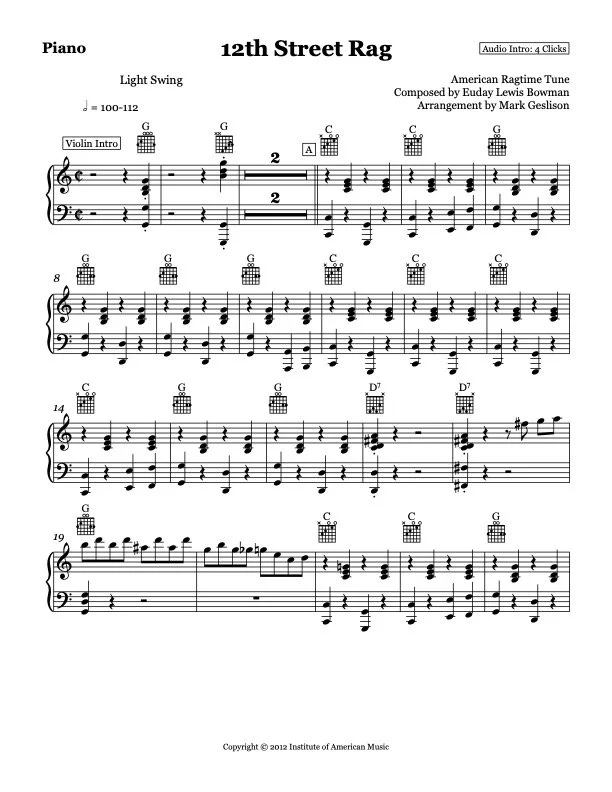 Image 4 of 9
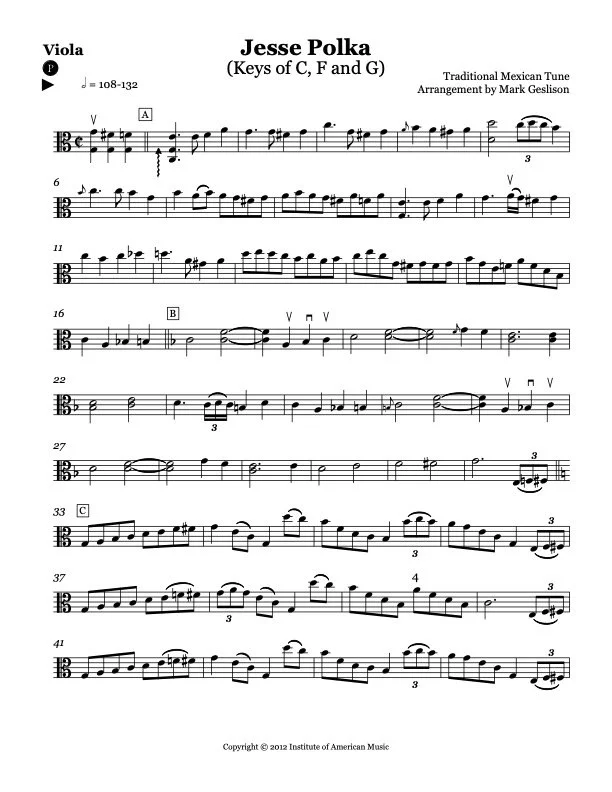 Image 5 of 9
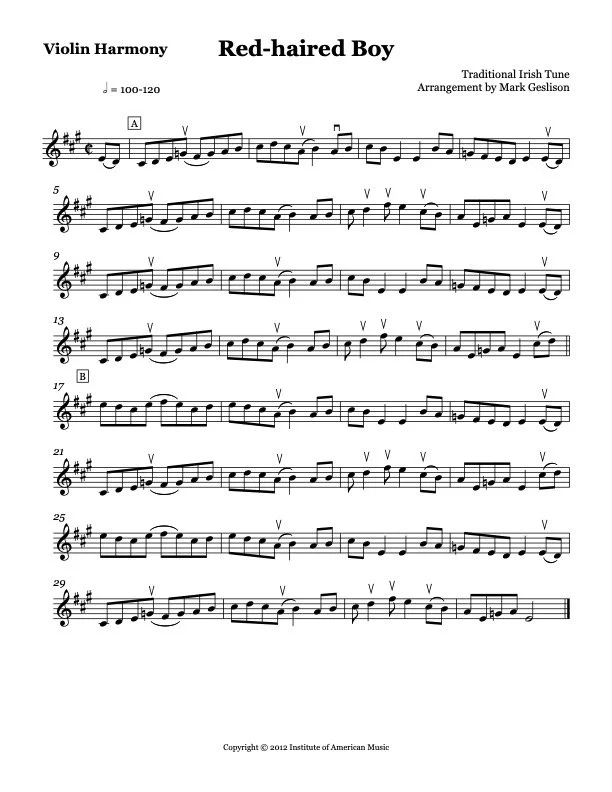 Image 6 of 9
 Image 7 of 9
 Image 8 of 9
 Image 9 of 9
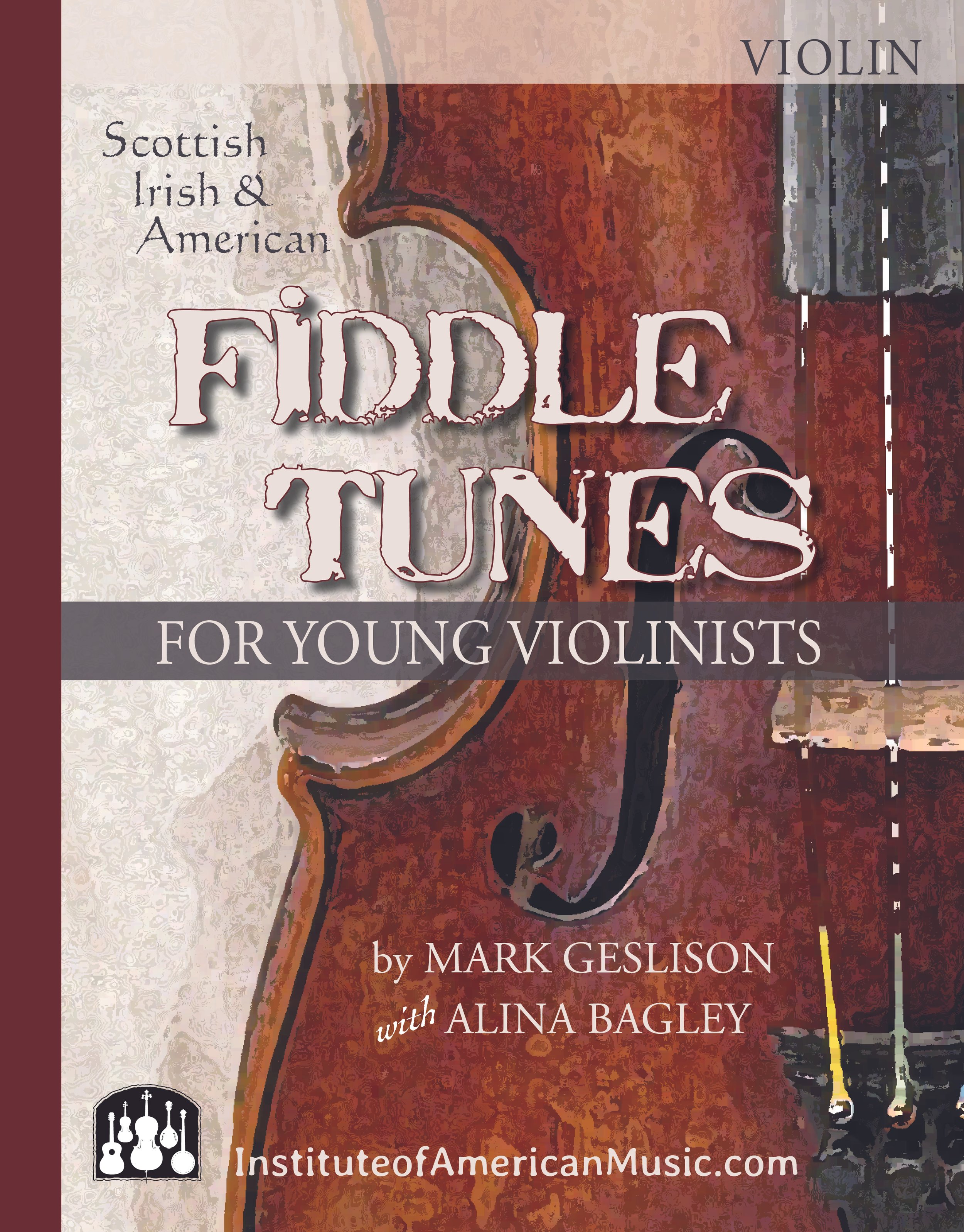
Fiddle Tunes for Young Violinists 4-Book Bundle
Audio for the First 5 Simple Tunes (click on audio links below to listen to the tunes)
Audio for the Rest of the Tunes (click on audio links below to listen to the tunes)
Fiddle Tunes for Young Violinists is a 4-book series for violin, viola, and piano. It also has chord charts for guitar players and bass players if you wish to add a little more flavor to your “band.” Though the title says that the tunes are for young violinists, the tunes are actually for any violinist who wishes to play fiddle tunes. The series contains 29 fiddle tunes from the U.S., Ireland, England, and Scotland. There is a small amount of arranging built in to the tunes as you will see. Some tunes have a violin introduction, while others have a piano introduction. At the Institute of American Music we love to musicians play with other musicians. The ideal way to use this series is to invite another violinist AND a piano player to play the tunes with you. The other violinist can play the harmony parts while you play the melody parts. Then you can switch places and play the other person’s melody or harmony parts.
Fiddle Tunes for Young Violinists also comes with a viola book. We don’t want to forget about the violists out there! Many of the viola parts are in a different key signature that the violin melody parts. This was done to set the tunes in a place on the viola very similar to where they sit on the violin. If you wish to include a violist in your “band” you will have the opportunity to try tunes in other key signatures. This means that the pianist would need to accompany with a little bit of creative ingenuity. Sometimes the violinist can play the melody of a tune in the same key signature as the viola simply by moving everything down (or up) on string. Here’s an example:
Oh Susanna is in the key of D for violin and piano. The viola has a part for the key of D AND for the key of G. Since the lowest note in Oh Susanna on the violin is a D (open D-string), the violinist can move the entire tune down to the G-string and “BOOM!” you’re in the key of G with the viola! In other words, if the violinist plays Oh Susanna one string lower than where the tune is written, she would be starting on an open G-note instead of a D-note. That’s exactly what the viola does.
Fiddle Tunes for Young Violinist gives musicians the opportunity to experiment with the tunes by arranging (you can decide how long you want the tune to last), transposing to alternate key signatures (your arrangement can be in 2 different key signatures—and maybe more if you experiment!), and by including other musicians who play other instruments like viola, piano, guitar, and bass.
Please know that the audio files above are midi files generated from our music software. These files will serve well as samples of how the tunes sound even though they are not played by real humans playing a real, acoustic instruments. However, we will add real human audio as soon as we can. Please accept these midi files for now.